Porro vs Roof Prism Binoculars: Key Differences Explained
When selecting binoculars, understanding the fundamental differences between Porro and roof prism designs is essential. Both types serve the same primary function—magnifying distant objects—but they achieve this through distinct optical and structural approaches. The choice between them often depends on individual preferences, intended use, and practical considerations such as intended application, ergonomics, and budget. This article examines the key distinctions to help you make an informed decision.
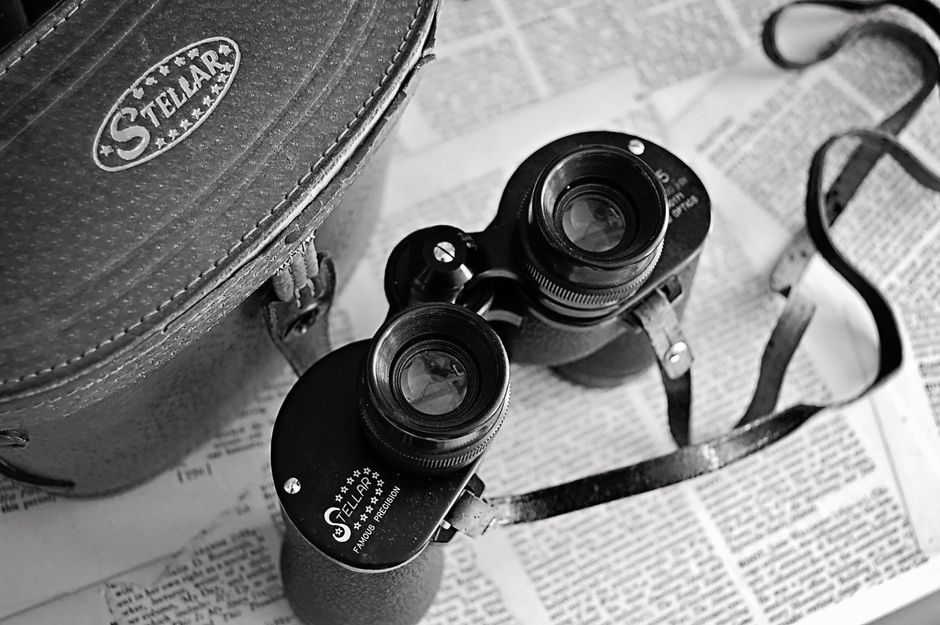
Porro prism binoculars, named after their inventor Ignazio Porro, use a Z-shaped light path that displaces the eyepieces laterally from the objective lenses. Roof prism binoculars, on the other hand, align the eyepieces and objectives in a straight line, resulting in a more compact, streamlined shape. These structural differences influence everything from image quality to durability and handling. Understanding these trade-offs can guide you toward the most suitable option for your specific needs.
In the United Kingdom, binoculars are popular for activities such as birdwatching, stargazing, and hiking. The choice between Porro and roof prism designs can affect your experience in these pursuits. This article provides a neutral, informative overview of the optical principles, design characteristics, and practical implications of each type, without endorsing one over the other. By the end, you will be better equipped to evaluate which design aligns with your requirements.
Optical Design and Light Path
The optical design of binoculars determines how light travels from the objective lenses to your eyes. In Porro prism binoculars, light enters the objective lens, undergoes total internal reflection within the prisms, and exits through the eyepiece. The prisms are arranged in a Z-shaped configuration, which effectively folds the light path and allows for a wider separation between the objective lenses. This separation enhances depth perception and provides a stereoscopic effect, which can be advantageous for viewing objects at close range. The Porro design also typically requires fewer optical elements, which can contribute to better light transmission and potentially brighter images.
Roof prism binoculars, in contrast, use a straight-through light path. The prisms are aligned in a linear fashion, allowing the eyepieces and objectives to be in line. This design results in a more compact and ergonomic shape. However, roof prisms require additional optical coatings—such as phase correction and dielectric coatings—to achieve comparable image quality to Porro prisms. Without these coatings, roof prism binoculars may suffer from reduced contrast and resolution. The complexity of manufacturing roof prisms often translates to higher production costs, which can be reflected in the final price.
Both designs rely on the principle of total internal reflection to redirect light. In Porro prisms, the light reflects off the prism surfaces at angles greater than the critical angle, ensuring efficient transmission. Roof prisms, particularly the Schmidt-Pechan and Abbe-Koenig variants, use a combination of reflections and coatings to achieve similar results. The Abbe-Koenig design, for instance, offers excellent light transmission but is bulkier, while the Schmidt-Pechan is more compact but requires a mirror coating on one surface. These nuances affect performance and cost, and understanding them can help you assess the trade-offs.
Size, Weight, and Ergonomics
One of the most noticeable differences between Porro and roof prism binoculars is their physical form factor. Porro prism binoculars are generally wider and bulkier due to the lateral offset of the eyepieces. This design can be less comfortable to hold for extended periods, especially for users with smaller hands. However, the wider stance can provide a more stable grip, and the separation of the barrels may reduce eye strain for some individuals. The increased size also means Porro binoculars are often heavier, which can be a drawback for hiking or travel.
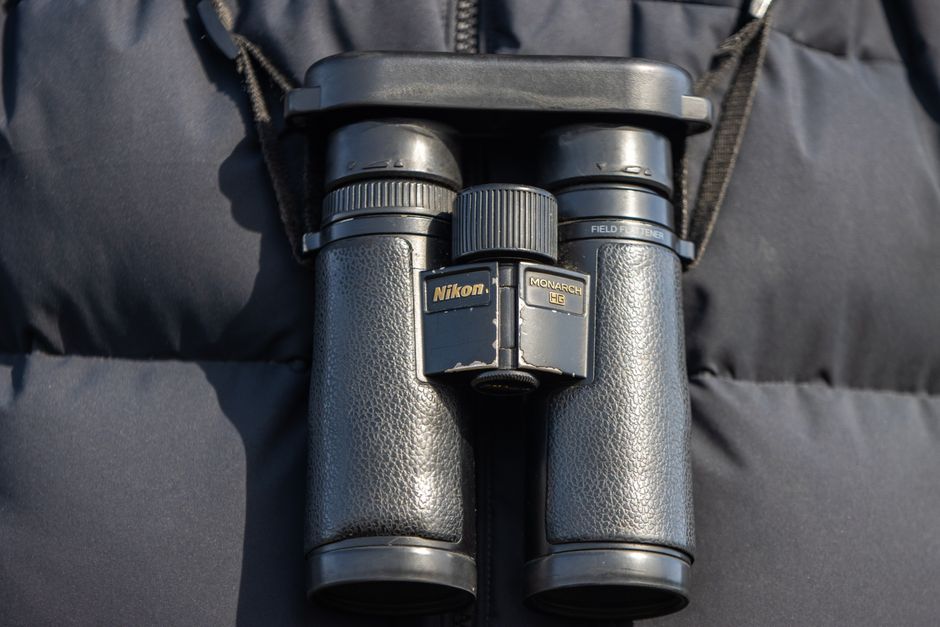
Roof prism binoculars are typically more compact and lightweight, thanks to their straight-body design. They are easier to pack and carry, making them a popular choice for outdoor enthusiasts who prioritise portability. The inline configuration also allows for a more natural hand position, which can enhance steadiness during observation. Many modern roof prism models feature ergonomic features such as textured grips and thumb indents, further improving handling. However, the compact size may come at the expense of a narrower field of view in some models, particularly at higher magnifications.
In terms of durability, roof prism binoculars often have a reputation for being more robust because the prisms are securely housed in a straight tube. Porro prism binoculars, with their protruding prisms, may be more susceptible to misalignment if dropped. Nevertheless, well-constructed Porro models can be very durable, and some users prefer their traditional feel. When choosing, consider how you will use the binoculars: if you need something rugged and portable, roof prisms may have an edge; if you prioritise optical simplicity and a classic design, Porro prisms could be appealing.
Image Quality and Optical Performance
Image quality is a critical factor in any binocular comparison. Porro prism binoculars are often praised for their excellent depth perception and natural colour rendition. The wider separation of the objective lenses enhances the stereoscopic effect, making it easier to perceive depth, which can be beneficial for birdwatching or observing wildlife in dense vegetation. Additionally, Porro prisms typically have fewer optical surfaces, which can result in higher light transmission and brighter images, especially in low-light conditions. This efficiency often makes Porro binoculars a cost-effective choice for astronomy or twilight viewing.
Roof prism binoculars have made significant advancements in recent years, and high-quality models can now match or exceed the performance of Porro prisms. The use of phase-correction coatings and high-reflectivity mirror coatings has largely eliminated the contrast and resolution issues that once plagued roof prisms. As a result, modern roof prism binoculars can deliver sharp, bright images with excellent colour fidelity. However, achieving this level of performance often requires precision manufacturing, which can increase the price. Entry-level roof prism binoculars may still lag behind comparable Porro models in terms of optical quality.
It is important to note that image quality is influenced by many factors, including the quality of the lenses, coatings, and prism materials. Both Porro and roof prism binoculars can provide excellent views if well-made. When evaluating, consider the intended application: for low-light conditions, Porro prisms may offer an advantage due to their superior light transmission; for general daytime use, roof prisms can be equally satisfying. Ultimately, personal preference and specific requirements will guide your choice.
Durability and Weather Resistance
Durability is a key consideration for outdoor enthusiasts. Roof prism binoculars are often designed with ruggedness in mind, featuring robust chassis and internal focusing mechanisms that are less exposed to the elements. Many models are waterproof and fogproof, thanks to nitrogen purging and O-ring seals. The straight-tube design also makes it easier to seal against moisture and dust, enhancing longevity in harsh conditions. This makes roof prisms a popular choice for activities such as hiking, climbing, and marine use.
Porro prism binoculars can also be durable, but their external prism housings may be more vulnerable to impact. However, some high-end Porro models are built to withstand tough conditions, with reinforced bodies and waterproof construction. The simplicity of the Porro design can also be an advantage: with fewer moving parts, there is less to go wrong. Nevertheless, the protruding prisms can be a weak point if the binoculars are dropped. For rough handling, roof prisms generally have an edge due to their compact, protected design.
Weather resistance is another factor. Many modern roof prism binoculars are purged with nitrogen or argon to prevent internal fogging and are sealed with O-rings to keep out water. Porro prism binoculars can also be waterproof, but the design may require additional sealing measures. If you frequently observe in wet or humid conditions, a waterproof roof prism model may be more suitable. However, well-maintained Porro binoculars can also perform admirably in such environments.
Cost and Value Considerations
Cost is often a deciding factor when choosing between Porro and roof prism binoculars. Generally, Porro prism binoculars offer better optical performance per pound spent, especially at lower price points. This is because the manufacturing process for Porro prisms is simpler and less costly, allowing manufacturers to invest more in lens quality and coatings. As a result, entry-level Porro binoculars can provide bright, sharp images that may rival more expensive roof prism models. For budget-conscious buyers, Porro prisms often represent excellent value.
Roof prism binoculars, on the other hand, tend to be more expensive due to the precision required in manufacturing and the additional coatings needed to achieve comparable image quality. However, the price gap has narrowed as manufacturing techniques have improved. High-end roof prism binoculars offer premium performance and are often the choice of professionals who prioritise compactness and durability. If your budget is flexible and you value portability and modern design, roof prisms may be worth the investment. Conversely, if you seek maximum optical bang for your buck, Porro prisms are a compelling option.
It is also worth considering long-term value. Roof prism binoculars often hold their value well, and their rugged construction may mean fewer repairs or replacements over time. Porro prism binoculars, while less expensive initially, may require more careful handling. Ultimately, the best choice depends on your priorities: optical performance, portability, durability, or cost. Weighing these factors will help you determine which design aligns with your needs.
In conclusion, both Porro and roof prism binoculars have distinct advantages and trade-offs. Porro prisms excel in optical simplicity, depth perception, and cost-effectiveness, while roof prisms offer compactness, durability, and modern ergonomics. Your decision should be guided by your specific activities, preferences, and budget. Whether you are a birdwatcher in the UK or a stargazer, understanding these differences will enable you to select binoculars that enhance your viewing experience.